
Understanding our Rehoming Criteria
 We assess each dog during its’ time with us in order to set rehoming criteria to get the best home for him or her. Finding the best possible rather than simply a home makes it much more likely to be a successful adoption result both for the dog AND for those that adopt him or her. In turn this means the adoption is less likely to fail. What many people don’t know is that across dog rescue as a whole, around 20% of all adoptions fail and the dogs are returned to rescue. This is not only hard on the dog, it can also be devastating for those giving them up – let’s face it no one sets out to have their adoption fail!
At PDD, our failed adoption rate is massively lower than the sector average at just 3% and we believe this is entirely because we do set clear, informed criteria that puts each dog’s needs at the centre of the selection process. We believe our adoption success rate is based on us taking time to really get to know the dog AND setting criteria that will identify the best homes which is why we say that when we come to shortlist applications, those that do match the criteria will be considered, whereas those that don’t, sadly won’t.
Nonetheless, we know from comments on social media and emails, that many people are frustrated (and sometimes really angry with us) when they see a dog they think is perfect for them, but they don’t match the dog’s rehoming criteria. This article aims to give some examples of why we set the criteria we do and will focus on the top five (most common) challenges we receive about them:
- Age criteria for children in the home
- Why all puppies are not automatically able to be given to families with younger children
- Whether the dog can live with cats
- Why the dog must be rehomed as an only dog
- Why the dog must be rehomed with a resident dog
Why we set a preferred minimum age for resident children
 Many dogs come to us as strays, when that is the case we have no idea of their background, what they have been through, why they have been picked up as strays or why they have not been re-claimed by their owners. This means we don’t know if they have previously lived with children and more importantly, if they have, whether doing so has been a positive or negative experience for them. We cannot take the risk of putting such dogs with younger children because we simply don’t know how they may react.
It’s also the case that we get dogs that we do have full background information for which means we know there are potential risks when putting them in homes with young children, for instance, where they have come from a family and the relationship between the dog and younger children in the home has not been as hoped or expected so the dog has been surrendered to us. In these circumstances, we know that being placed in another home with young children could ‘trigger’ a negative/fear reaction from the dog so, again, we will not risk the safety of children in the home, nor put the dog at risk.
Some of our dogs are ex-breeding dogs and, as such, are incredibly nervous of any human contact. Whilst it is possible to explain to an older child that they need to give these dogs time and space to come to them in their own time, we don’t want to risk further trauma to the dog from the attention of younger children that just want to ‘love’ him or her. At best this will delay the dog’s progress and at worst it could trigger a negative fear reaction that puts the child at risk – again, we will not put such children at such risk.
Why all puppies are not automatically able to be given to families with younger children/babies
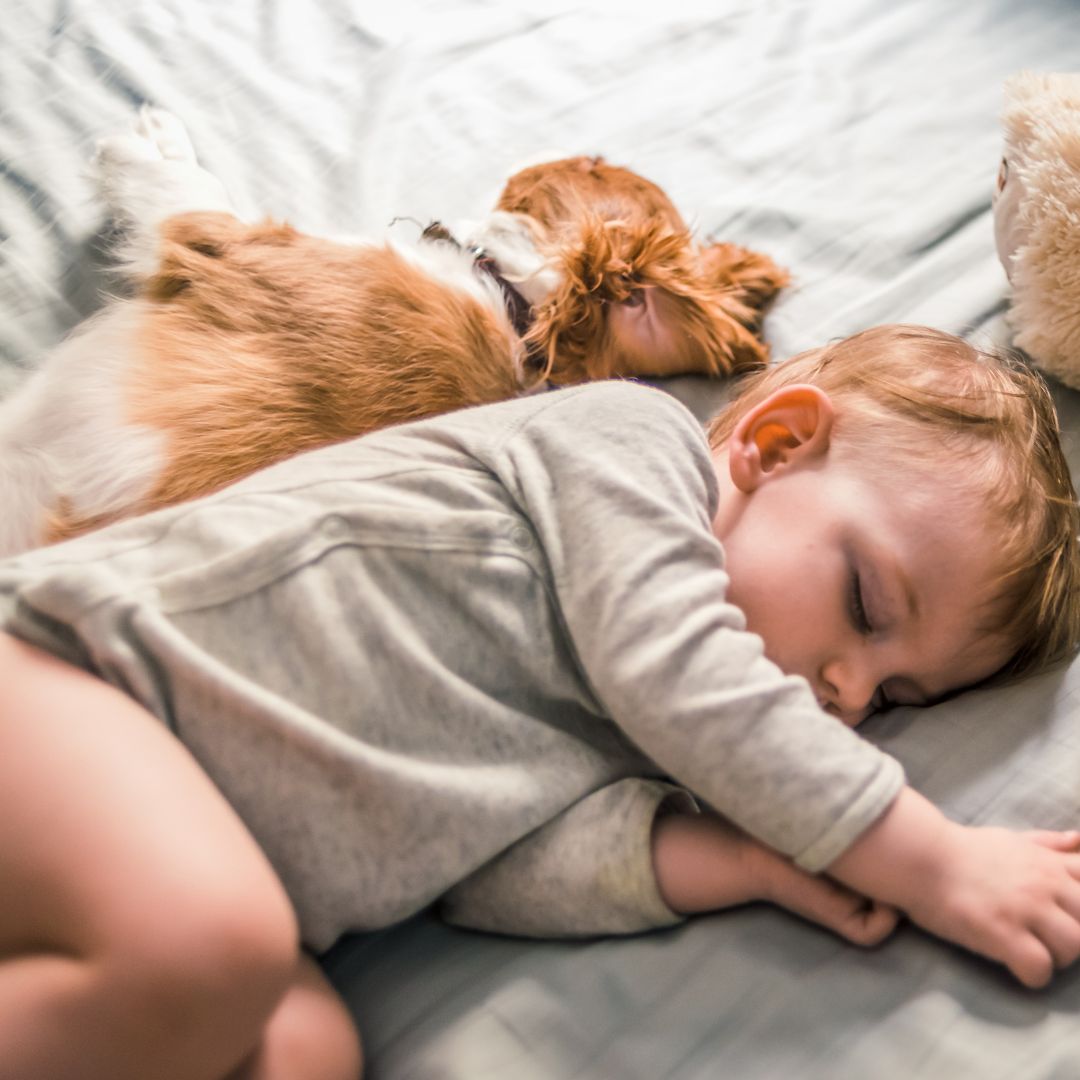 Let’s start by saying that we do know, and love, that children and puppies can, and do grow up happily together. However, it isn’t always the case and when it goes wrong it can be devastating for all concerned, both the family and the pup*. For this reason, we have to think about all concerned when setting criteria for young pups.
To understand why we set the criteria we do for pups, it’s important to understand where the pups come from and the decisions we have to make to ensure they get the right home for their needs. As with all our dogs, their needs will always be our first priority.
Sadly, too many of the young pups you see on our website have come to us because parents have become concerned for the safety of their children. This can be for a variety of reasons but it is all too often because people haven’t fully considered the implications of introducing a puppy into their home. Seeing pups being surrendered because people didn’t do suitable research or understand what having a puppy means for their family is heart-breaking for us and really unfair on the puppy!
In these circumstances, we will not risk placing the pup back into a similar situation where the same outcome could occur for them simply because we don’t know how the pup, based on its’ previous experience may react now to the attention of babies and very young children – however gentle the children in the new home, their very presence could easily trigger a fear based aggressive reaction from the pup . For that reason, we will err on the side of caution when it comes to rehoming a puppy that has come to us from a previous home with very young children.
We do also get pups in as strays (yes, really!) but it goes without saying that as we have no idea why they have been abandoned, we have to be cautious.
Of course, not all our pups come as owner surrenders or strays, many are handed over to us by their original breeder. This can be because they haven’t sold, or it may be because the pup has been born with a ‘defect’ that means the breeder doesn’t want to sell them, or it could be a pup that had sold but has been returned to the breeder.
With some of these pups, because we can ascertain full background and history, we may decide that they can live with children of any age (so long as parents can demonstrate a good knowledge at the ‘interview stage’ of how to make sure it is safe both for the pup and any babies or very young children in the home. BUT, without a full checkable history for any dog or pup, we simply will not risk the safety of any child.
We do also occasionally take in pregnant bitches either as strays or because they’ve been signed over to vets by their owners. As the pups are born in rescue and with us from the day they are born, we can ensure that they are properly socialised and more easily assess whether we think they’d be suitable for families with younger children.
These are just a few of the ways in which pups come into rescue but we hope the above examples illustrate why, however much we understand the disappointment and frustration of not being able to adopt a dog you may think is perfect for you and your family, we have to err on the side of caution. The bottom line is that not all pups are the same, not all are suitable to live with babies and younger children and unless we are totally confident we will not risk the safety of your children or an unnecessary failed adoption for the pup.
*If you are thinking of adopting a pup and haven’t owned one before we’d really urge you to read our ‘Puppy Love’ page before applying.
Whether dogs can live with cats
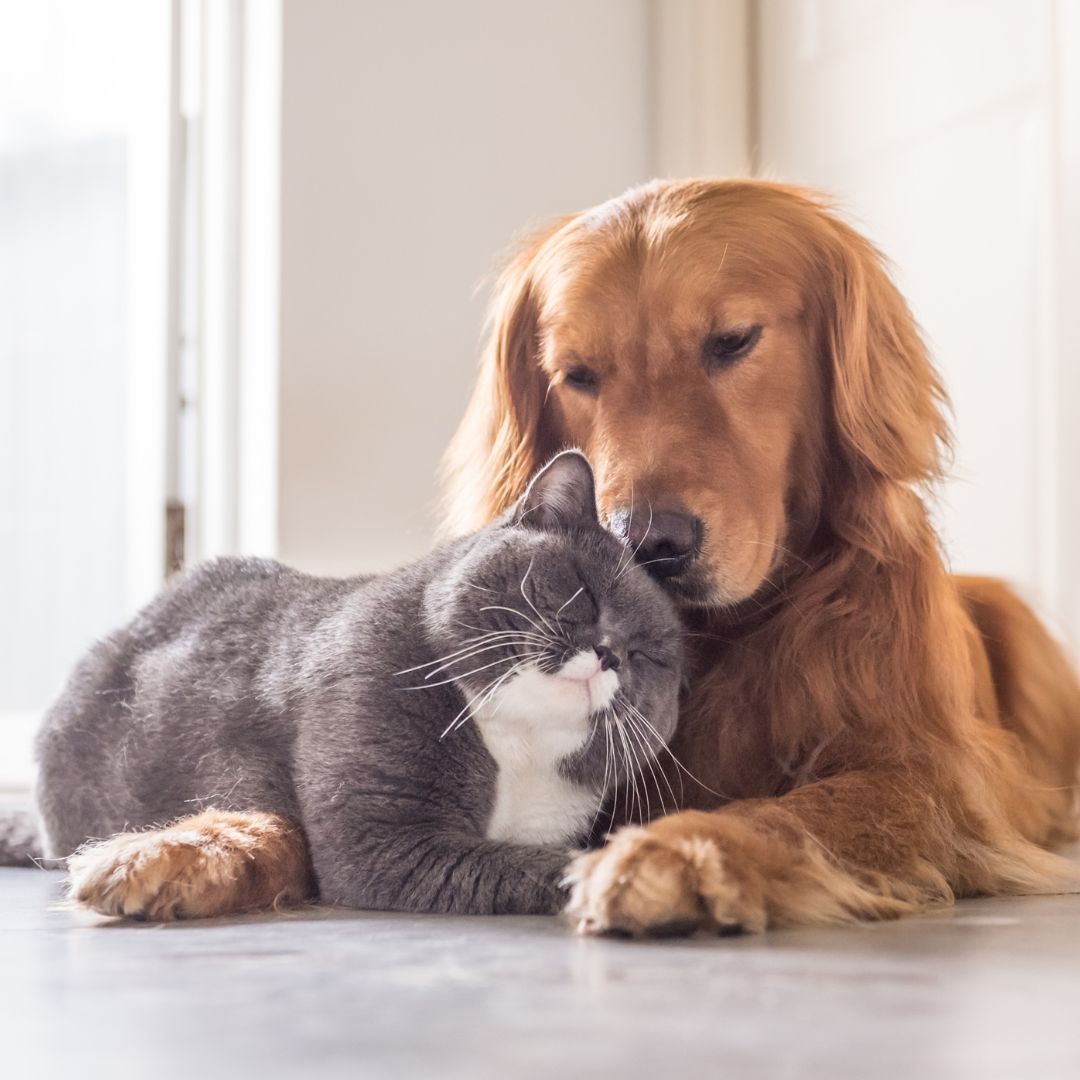 When we know from background information that the dog has previously lived happily with cats (whether in its’ original home or during its’ time in foster with us, we will state that in the criteria and happily rehome them with dog savvy resident cats (so long as those cats genuinely are ok with dogs).
Where we know from background information that the dog does not react well to cats (anything from a constant desire to chase right up to being openly aggressive) we will not put your cats at risk. At best, the likely outcome is that the dog will come back into rescue and at worst either the cat or the dog will be seriously injured or worse!
Where we simply don’t know and haven’t been able to ‘cat test’ we will base the decision on feedback from our foster carers and their overall assessment of the dog’s temperament. If they feel it would be too risky to place the dog with resident cats, we will err on the side of caution and look for a cat free home (however dog savvy the resident cat may be), if they, on the other hand, feel the dog is likely to be able to live with a cat we will say that it may be able to be placed in a home with cats as long as those cats are genuinely ‘dog savvy’ and used to living with a canine companion.
In all cases, we ask that you trust our judgement and understand that the criteria set has the bests interests of both our dog and your cats in mind.
Why the dog must be rehomed as an only dog
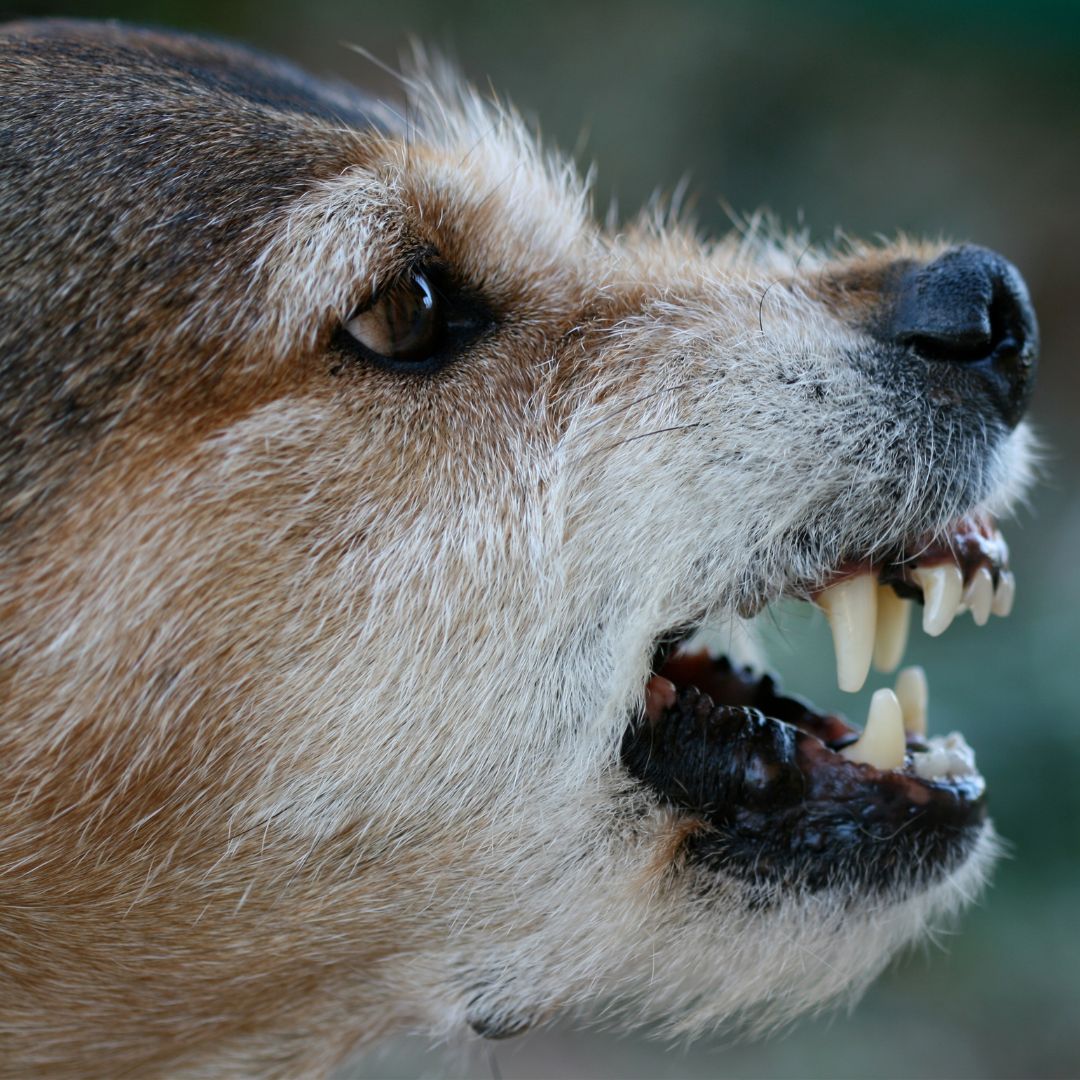 However much your dog might love other dogs, if we have a dog that has at any point shown any sign of aversion to being around other dogs (either extreme fear and discomfort, or aggression) we simply will not risk rehoming our dog with other dogs already in the home (both for their own and the resident dog’s safety).
If we know that however loving within the home, our dog is dog reactive and likely to be aggressive towards other dogs, we may even seek a home where they can also (as much as possible) be kept away from other dogs outside of the home.
Life has already been tough for so many rescue dogs and the last thing we want is for an adoption to ‘fail’ because we haven’t put their needs/likes and dislikes first. With that in mind, however unpopular it makes us, we will always set criteria that gives any adoption the best chance of success for both the dog and the adopter. However confident you may be about being able to manage the risks, we simply won’t leave it to chance when we can make an informed and sensible choice.
Why the dog must be rehomed with a resident dog
 Dogs are, by nature ‘pack’ animals and although they can live without a canine companion or two, most would, given the choice, prefer to have the company of others. We do understand though, how frustrating it is when you see a dog you’d love to adopt only to find he or she must have a resident dog in their new home. When we believe that a dog can be perfectly content to live ‘alone’ (or would even prefer it), we will state this on their rehoming criteria and happily consider applications from dog free homes.
If though, as is often the case, we believe there is a benefit for the dog to have a canine companion, their criteria will reflect this and only those with dog(s) already in the home will be considered. The following outlines some of the reasons why will we state a need for a resident dog.
Many of the dogs that come to us are ex breeding dogs that have never been properly socialised with humans. In fact, they are often incredibly nervous and will shy away from human contact. Similarly, dogs that come in as strays, particularly if they have been straying for a while, may also be very nervous and distrusting of humans (and we have no way of knowing what may have happened to them in their past).
These dogs, whilst shy of humans, generally take comfort from being with another dog. They will look to their canine companion to be a positive role model they can gain confidence from. This helps them learn to trust humans and to settle more quickly in their adoptive home, which we hope you will agree is better for the dog and for their new owners.
In other cases, particularly for younger, more active and/or playful dogs, having a canine companion will be a must and help them adjust to, and enjoy life in their new home (as well as giving their new owners some respite!).
The bottom line
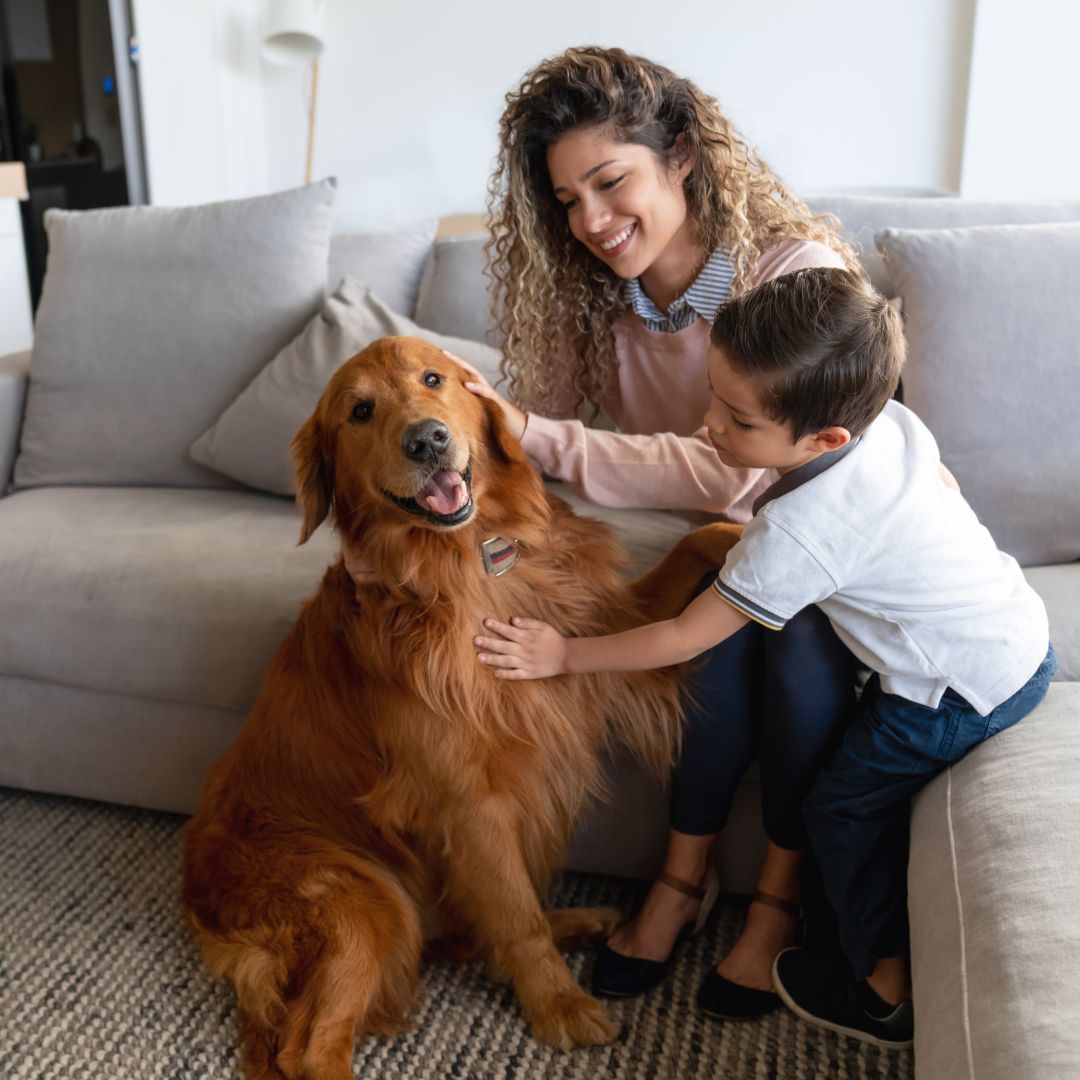 We know that not meeting a dog’s criteria can be frustrating, but we ask that you trust us, and understand why, as the people that know the dog best, we have a duty to set criteria that is in his, or her, best interests.
This means we take time to really get to know each of our dogs so that when they are ready to be adopted, we can set criteria that is most likely to find the best home for each of them – i.e. the home that will best be able to meet their needs in the most appropriate way.
The bottom line is… We don’t set criteria to make it hard for people to adopt, we set criteria to make it easier for them to adopt the right dog for their home and family. We work this way to ensure that every dog gets the right forever home and every adopter gets their ideal four-legged friend.